

No products in the cart.
Ramie Fabric – The Material of the Future
While sustainable fashion may have only become a dominant trend a few years ago, sustainable fabrics have existed for a long time. Ramie fabric is one of those fabrics. This fabric is a plant-based alternative to silk. In addition to its ability to hold shape and shine of fabric, is Ramie fabric really natural and sustainable?
What is Ramie Fabric?
Ramie is a natural cellulose fabric. It is made from the stem of the nettle plant. It can be grown easily and robustly without the use of pesticides, herbicides, or chemicals.
Ramie fabric is an environmentally friendly fabric, a sustainable alternative to synthetic fabrics with excellent properties! It has the ability to resist mold, bacteria, and insects.
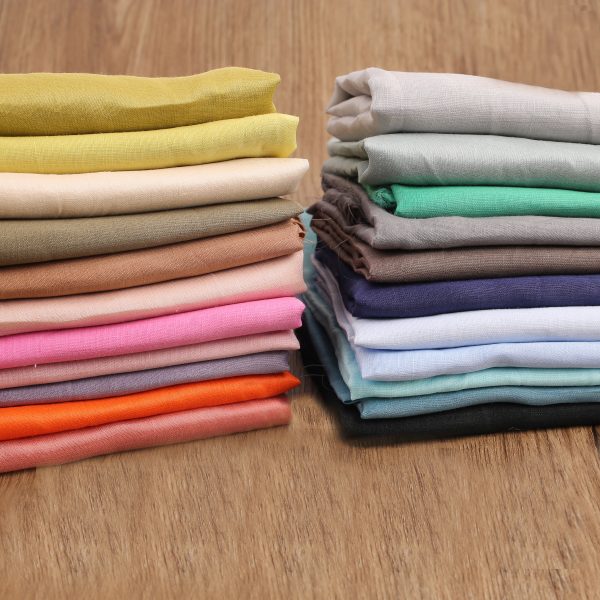
Ramie fibers are very fine, similar to silk, and naturally white. Ramie is often blended with other natural fibers, such as cotton or viscose, to create different types of fabrics, from thin to thicker fabrics.
Properties of Ramie Fabric
- Ramie is a type of cellulose fiber.
- Ramie fiber is one of the strongest natural fibers and it is even more durable when wet, 8 times more durable than cotton!
- Known for its ability to hold shape and reduce wrinkles.
- Moderate elasticity and stretchability help Ramie fabric products limit the problem of shrinkage during use.
- Has antibacterial, mold and insect resistance naturally.
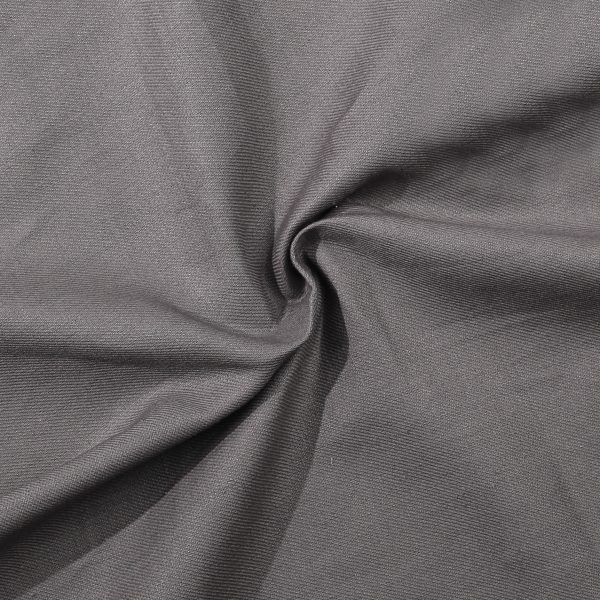
- Excellent moisture absorption, creates a comfortable feeling when using.
- Easy to dye.
- Natural dirt resistant Ramie fabric can withstand high washing temperatures, in the washing-spinning process.
- However, you should still perform the washing and preservation process according to the standard to maintain the best product quality.
Applications of Ramie Fabric
- Ramie fabric is used to produce industrial products such as packaging materials, soap laundry bags, industrial sewing threads, filter fabrics, and fishing nets.
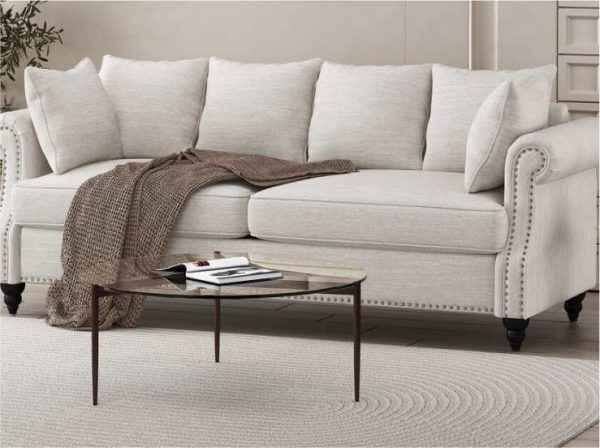
- It is also made into fabrics for clothing and household furniture such as canvas and upholstery.
- Shorter Ramie fibers are used to produce paper. Industrial applications of nettle fabric include parachute fabric, fire hose, and tarpaulin.
- Short fibers are used to produce high-quality paper goods such as banknote paper and cigarette paper.
- The flexibility of the nettle fiber allows it to be produced into fine yarn and drawn into fabric yarn.
- It can be used in ready-to-wear from dresses and suits, to jeans and sportswear. By blending nettle fabric with wool, the fabric is lighter and reduces shrinkage.
Is Ramie fabric a natural and sustainable material?
An environmentally friendly product means that plants or other natural sources do not need pesticides and other chemicals to help it grow and mature. Nettle is one of those environmentally friendly plants because it can grow naturally without that support.

Ramie fiber is becoming popular in the fashion industry as a sustainable eco-friendly fiber. Because it can be harvested up to 3 times a year, even up to 6 times. With the ability to resist bacteria and insects, the Ramie plant can grow healthily without the use of plant protection chemicals. This process also makes Ramie fiber 8 times stronger than cotton. The Ramie plant can be harvested regularly, with one Ramie plant being able to be harvested multiple times. This makes it a very sustainable plant.
Moreover, the cultivation of Ramie in Vietnam helps to create a stable income for ethnic minorities in the highlands.
Therefore, Ramie fabric is called the material of the future by many people – a natural and sustainable material, both safe for users and minimizes environmental pollution.
Ramie is one of the strongest natural fibers and is one of the oldest fiber-yielding plants, environmentally friendly and useful in the fields of fashion, construction, and food. With improved technology, Ramie can become more popular because of its superior features, sustainability it brings to the fashion industry.